“coffee fruit” search results (22800)
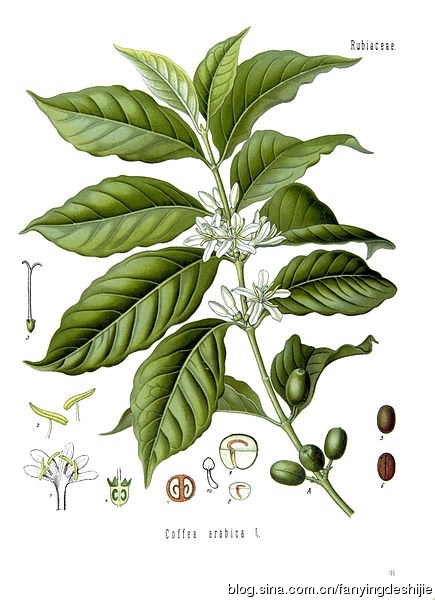
Coffee flower coffee bean planting coffee flower coffee green fruit coffee red fruit
Coffee flowers can be enjoyed at the beginning of the second or third year of coffee planting. if there are no special circumstances, they will blossom and bear fruit naturally, so it is easy to think that coffee trees will be harvested after 2-3 years. Coffee flowers are white, born in the axils of the leaves, where the leaves meet the branches, usually appear in clusters, each flower will have 5-6 petals, slender micro-roll, look at the picture is very
2016-04-06 Coffee coffee beans planting green fruit red fruit coffee second year third year year
Fine Coffee knowledge of planting and picking Coffee trees
One of the characteristics of a coffee tree is that its fruit can bear fruit several times a year, and another is that flowers and fruits coexist at different stages of ripening. If the fruit is too ripe, the beans in it will rot. If the beans are not ripe, the beans will not ripen by themselves. So bean pickers often go through the same tree several times to find ripe fruit, but try their best.
2015-03-04 Boutique coffee planting picking knowledge one of the characteristics that is its
Washed beans-Highland Honduras Coffee beans San Juan Xido producing area
High-quality coffee in Honduras uses water washing to deal with coffee beans, usually after soaking, when the defective fruit will surface, it can be discarded first. Then put the good fruit into the fruit peeling machine and peel off the peel with the rotating force of the machine. Peeled fruits are screened by machines to select fruits of high quality. Usually the bigger the fruit.
2016-06-16 Washing Highland Honduras Coffee beans San Hu Theto producing area High
What does coffee fruit look like?
What we see every day is roasted coffee beans, and at most we have seen yellow-green coffee beans. That coffee bean is the most fruit. What is it like at first? What we usually see is a bit like cherries, so we sometimes call coffee cherries. Generally speaking, each coffee fruit contains two coffee beans. The beans are covered with pericarp, pulp and pectin.
2014-07-02 Coffee cherries coffee trees coffee beans
Coffee beans History the birth of coffee beans
The lifetime of a coffee tree takes 3-5 years from planting to fruiting. 6-10 years of coffee trees are the most likely to bear fruit, about 15-20 years, is the harvest period. Coffee trees are usually bred in nurseries and grow into saplings, and then moved to coffee farms a year later, in full compliance with the way the Arabs planted and cultivated coffee trees. Coffee trees will continue to decline in the first four or five years of growth.
2014-09-28 Coffee knowledge coffee bean history coffee bean birth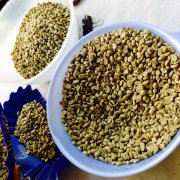
Correctly planting Coffee Tree Coffee Tree growth process Map
One of the characteristics of a coffee tree is that its fruit can bear fruit several times a year, and another is that flowers and fruits coexist at different stages of ripening. If the fruit is too ripe, the beans in it will rot. If the beans are not ripe, the beans will not ripen by themselves. So bean pickers often go through the same tree several times to find ripe fruit, but try their best.
2015-11-05 Right planting coffee growth process one of the traits that is it's
Flavor and taste characteristics of Honduran coffee
Flavor and taste characteristics: good flavor, rich and mellow, suitable for mixed drinking. Honduran coffee bean Honduras, the most obvious feeling is relatively soft and thick, occasionally feeling a little sweet; low acidity, in Central American coffee producing areas, Honduran coffee is famous for its black berry flavor and caramel sweet, medium mellow thickness, and even black pepper and black pepper in some batches of coffee.
2016-06-13 Honduras coffee flavor taste characteristics quite good rich
Knowledge of coffee trees about planting and picking coffee trees
One of the characteristics of a coffee tree is that its fruit can bear fruit several times a year, and another is that flowers and fruits coexist at different stages of ripening. If the fruit is too ripe, the beans in it will rot. If the beans are not ripe, the beans will not ripen by themselves. So bean pickers often go through the same tree several times to find ripe fruit, but try their best.
2015-01-19 Coffee knowledge about planting picking coffee one of the characteristics that is its
Basic knowledge of Coffee planting and picking of coffee trees
One of the characteristics of a coffee tree is that its fruit can bear fruit several times a year, and another is that flowers and fruits coexist at different stages of ripening. If the fruit is too ripe, the beans in it will rot. If the beans are not ripe, the beans will not ripen by themselves. So bean pickers often go through the same tree several times to find ripe fruit, but try their best.
2015-04-24 Coffee basics common sense planting picking coffee one of the characteristics that is its
African coffee flavor Kenyan coffee flavor fruit coffee
Aromatic, full-bodied, with fruit flavor, taste rich and perfect. Kenyan coffee has a wonderful fruit flavor, tastes like BlackBerry and grapefruit, and is a favorite of many coffee gluttons. This coffee has an excellent medium purity, crisp and refreshing taste. It has a fresh flavor and is most suitable for drinking iced coffee in summer. When tasting this coffee, if served with pomelo
2016-05-09 Africa coffee flavor Kenya fruit aroma rich with
Boutique coffee learns the process of coffee from fruit to beans
A coffee tree can harvest 3-5 kg of fruit, and raw coffee beans account for 1. 5% of the fruit quality. Going from fruit to raw coffee beans is really a time-consuming and laborious task. Arabica and Robusta Arabica coffee account for about 2% of the world's coffee production. The plant is not suitable for high temperature, low temperature, more rain and less rain. Coffee beans are oval and flat, with high quality and rich
2014-11-22 Coffee knowledge boutique caffeine coffee fruit coffee beans
Basic knowledge of planting and picking Coffee trees
One of the characteristics of a coffee tree is that its fruit can bear fruit several times a year, and another is that flowers and fruits coexist at different stages of ripening. If the fruit is too ripe, the beans in it will rot. If the beans are not ripe, the beans will not ripen by themselves. So bean pickers often go through the same tree several times to find ripe fruit, but try their best.
2015-02-11 Coffee planting picking basics common sense coffee one of the characteristics that is its
Indonesian Coffee Bean wahana Hua Hanna Honey Fruit
Wahana Manor from Indonesia honey-treated coffee beans, referred to as Hua Hanna honey fruit. The so-called honey-treated coffee beans is actually a compromise without good coffee treatment. Hua Hanna honey fruit is impressive with a light and soft sour taste; it is an approachable coffee bean that is not as fishy as Indonesia's Mantenin coffee beans in the past. The so-called honey treatment is called Honey Proc
2014-06-26 Boutique coffee beans individual coffee Indonesian coffee beans
Introduction of Santa Barara Manor in Honduras Coffee flavour
High-quality coffee in Honduras uses water washing to deal with coffee beans, usually after soaking, when the defective fruit will surface, it can be discarded first. Then put the good fruit into the fruit peeling machine and peel off the peel with the rotating force of the machine. Peeled fruits are screened by machines to select fruits of high quality. Usually the bigger the fruit.
2016-07-15 Honduras Coffee Flavor Taste Manor production area introduction Sanba Lara Hong
Basic knowledge of coffee from fruit to raw coffee beans
A coffee tree can harvest 3-5 kg of fruit, and raw coffee beans account for 1. 5% of the fruit quality. Going from fruit to raw coffee beans is really a time-consuming and laborious task. Arabian, Robusta and Liberian Arabian coffee account for about 2% of the world's coffee production. The plant is not suitable for high temperature, low temperature, more rain and less rain. Coffee beans are oval and flat, with high quality
2014-11-14 Coffee knowledge coffee basics coffee common sense coffee fruit coffee beans
Classification and causes of defective beans in SCAA Coffee SCAA level: Italian mixed beans with secondary defects
CAA level: whole sour bean is a first-level defect; one whole sour bean = a complete defect name: local sour bean SCAA level: local sour bean is a secondary defect; less than half of a bean is sour bean, 3 beans = 1 complete defect cause: agriculture and treatment. Sour beans are caused by fermentation, and they are contaminated by microorganisms in many places in the process of harvest and treatment.
2016-07-14 SCAA Coffee defects Category cause Grade II Italian blending
Analysis of the process from fruit to raw coffee bean
A coffee tree can harvest 3-5 kg of fruit, and raw coffee beans account for 1. 5% of the fruit quality. Going from fruit to raw coffee beans is really a time-consuming and laborious task. Arabian, Robusta and Liberian Arabian coffee account for about 2% of the world's coffee production. The plant is not suitable for high temperature, low temperature, more rain and less rain. Coffee beans are oval and flat, with high quality
2015-09-15 Fruit coffee beans process analysis one coffee tree can harvest 3-5 kg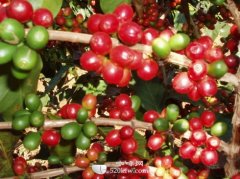
Knowledge of Coffee trees, Coffee Flowers and Coffee fruits
Click to view the original picture The coffee tree is an evergreen tree with small white flowers and green fruit that does not turn red until it is ripe. A normal coffee tree can usually grow to a height of 5 to 10 meters, but bean farmers often prune it to less than 2 meters for harvest convenience. After flowering, there are many dark green oval fruits, and the ripe fruits change from dark green to bright red.
2014-06-25 Coffee knowledge coffee common sense coffee encyclopedia
Introduction to the characteristics of Coffee varieties in Santa Barara Manor, Honduras
The granules of coffee beans in Honduras are large in shape, uniform in size and glossy in color. In order to facilitate harvesting, farmers will prune the coffee trees to no more than 150 centimeters, because if they grow too high, they have to set up ladders to pick, which is not only time-consuming, but also may damage the trees by bending branches. As the ripening period of each fruit of the coffee bean is different, it is necessary to keep the coffee bean in good condition.
2016-10-13 Honduras Sanba Lara Manor Coffee Grinding processing Variety characteristics mouth
The birth of Fine Coffee Culture and Common sense Coffee beans
The lifetime of a coffee tree takes 3-5 years from planting to fruiting. 6-10 years of coffee trees are the most likely to bear fruit, about 15-20 years, is the harvest period. Coffee trees are usually bred in nurseries and grow into saplings, and then moved to coffee farms a year later, in full compliance with the way the Arabs planted and cultivated coffee trees. Coffee trees will continue to decline in the first four or five years of growth.
2014-12-26 Boutique coffee culture common sense coffee beans birth life planting knot